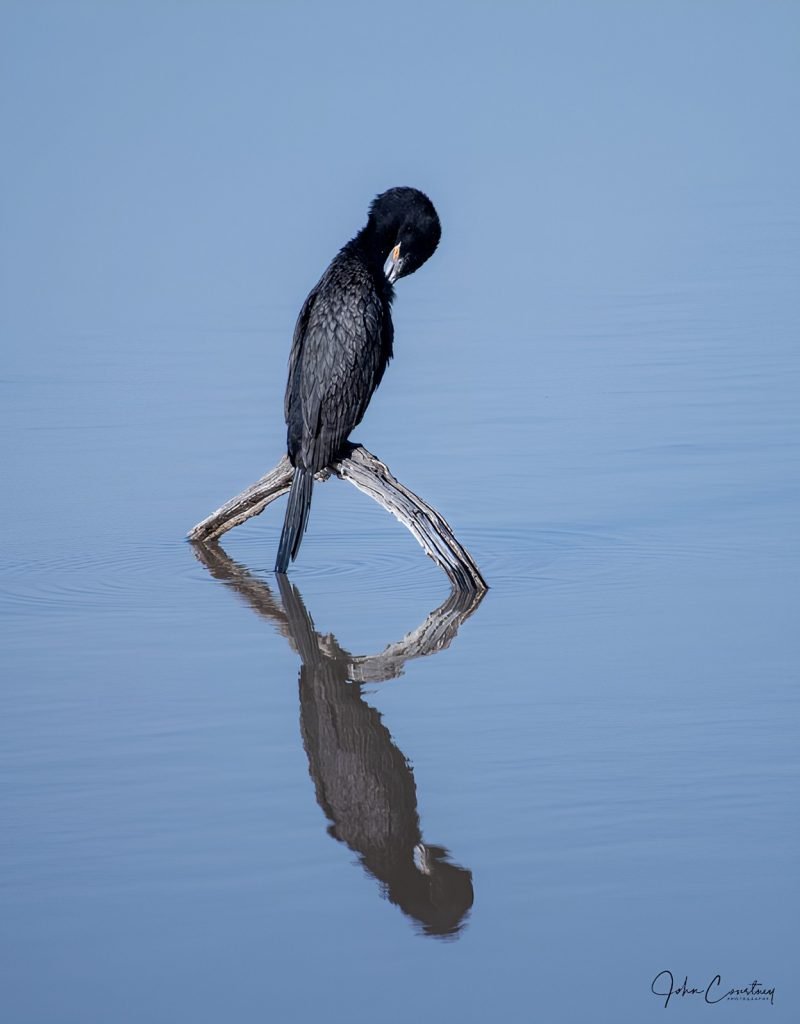
Article and photos by Dr. John Courtney, Associate Director of Psychiatry for Presbyterian Medical Services in Santa Fe, NM and Friends of Bosque del Apache Board Member.
I am a prescribing psychologist and have been in practice for thirty six years. In this time, I’ve offered support, counsel and medication to thousands of patients. Arguably the most common diagnosis I address is anxiety. People may worry about potential events, or fears about situations beyond their control. They often experience a sense of foreboding, even when these events are highly improbable. In contrast, those who struggle with depression tend to dwell most commonly on the past. They may feel intense guilt, remorse and despair. In either of these cases, the focus is usually never about the present, but rather about the past or future and generally out of their control.
All of us experience these moments of anxiousness and stress from time to time. I recall one weekend when I went to photograph elk here in New Mexico. Although this should have been an exceptional photographic experience, I found myself unable to get comfortable behind the lens. Something just felt wrong, but I couldn’t put my finger on what it was. I ultimately packed up my gear and headed home with little to show for the time spent.
The following day, I woke up early and headed out to Bosque del Apache. I set up my camera gear in the area near the Boardwalk. It was a beautiful morning… there were geese in the pond and the tranquil sound of birds. A gentle breeze and unseasonably mild temperatures created what should have been ideal conditions for photography. Everything seemed perfect – except me. Something was still unsettling. Instead of packing up and heading home, I leaned against the rail, closed my eyes and allowed myself to be fully engaged in the moment. Upon doing this, I realized that I had been mentally consumed by the cases I would have to manage the upcoming week, rather than allowing my focus to be in the present.
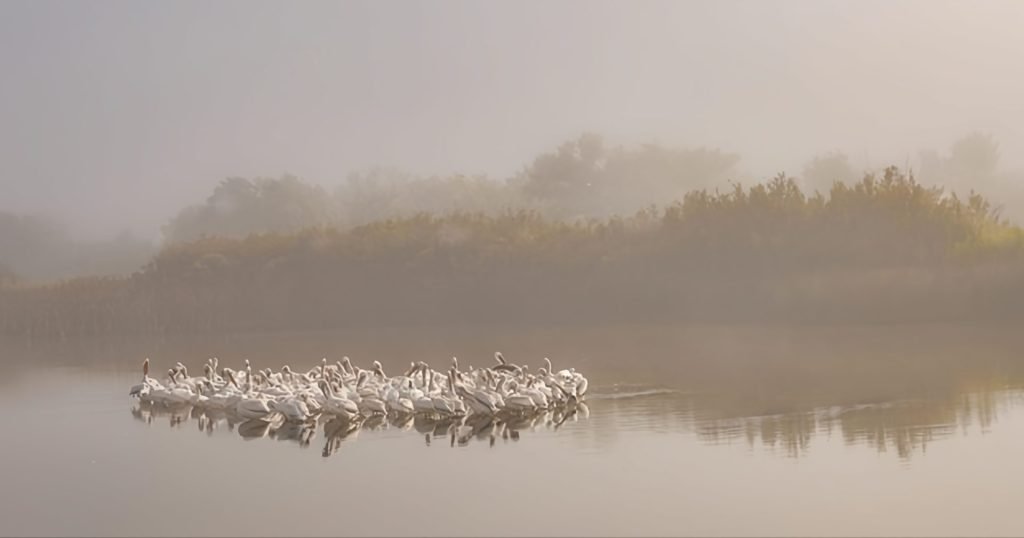
I’ve never forgotten that day and how nature provided me with important insight. I now encourage my patients to spend time in the beauty and stillness of the natural world, often reminding them of the jewel they have just a few miles down the road… or perhaps even in their own backyards.
Humans are inextricably linked to nature. We often take vacations to wilder places and even dream of relocating to forested islands where things slow down. Nature is not just a luxury; it is a necessity and a fundamental part of what makes us human.
The Symphony of Nature’s Silence
Many have written about the profound sense of peace that descends upon you when you step into the wild. The cacophony of city life fades away, perhaps immediately replaced by the gentle rustling of leaves, the smell of a green forest, the distant calls of birds, or the soothing murmur of a stream. This symphony of silence has a magical way of quieting the mind, offering a respite from the relentless pace of modern life and gives us a chance to pause and breathe more deeply. It quietly begs us to simply be present in the moment.
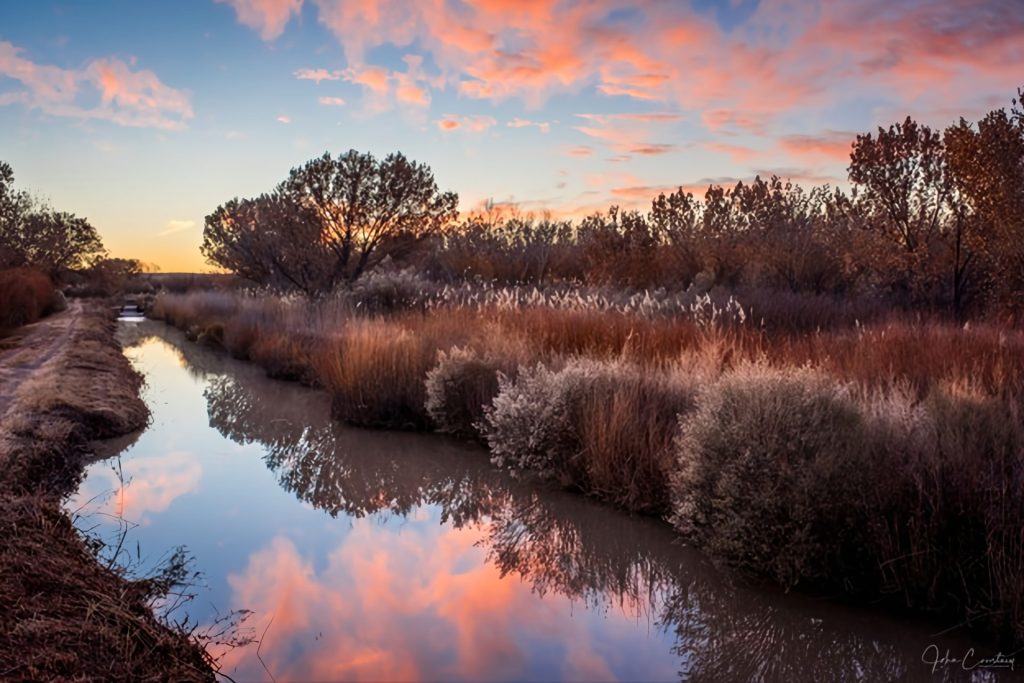
Imagine a day spent hiking in the mountains or near a wildlife refuge. The air is crisp and clean, your path winding through trees and meadows dotted with wildflowers. Each step takes you further from the noise and stress of everyday life, moving you closer to a sense of calm. This tranquility is not just a fleeting feeling. Studies have shown that spending time in nature reduces levels of cortisol, our stress hormone, enhancing our mood as we become more relaxed. Our senses sharpen and we begin to hear and see what we had inadvertently been ignoring.
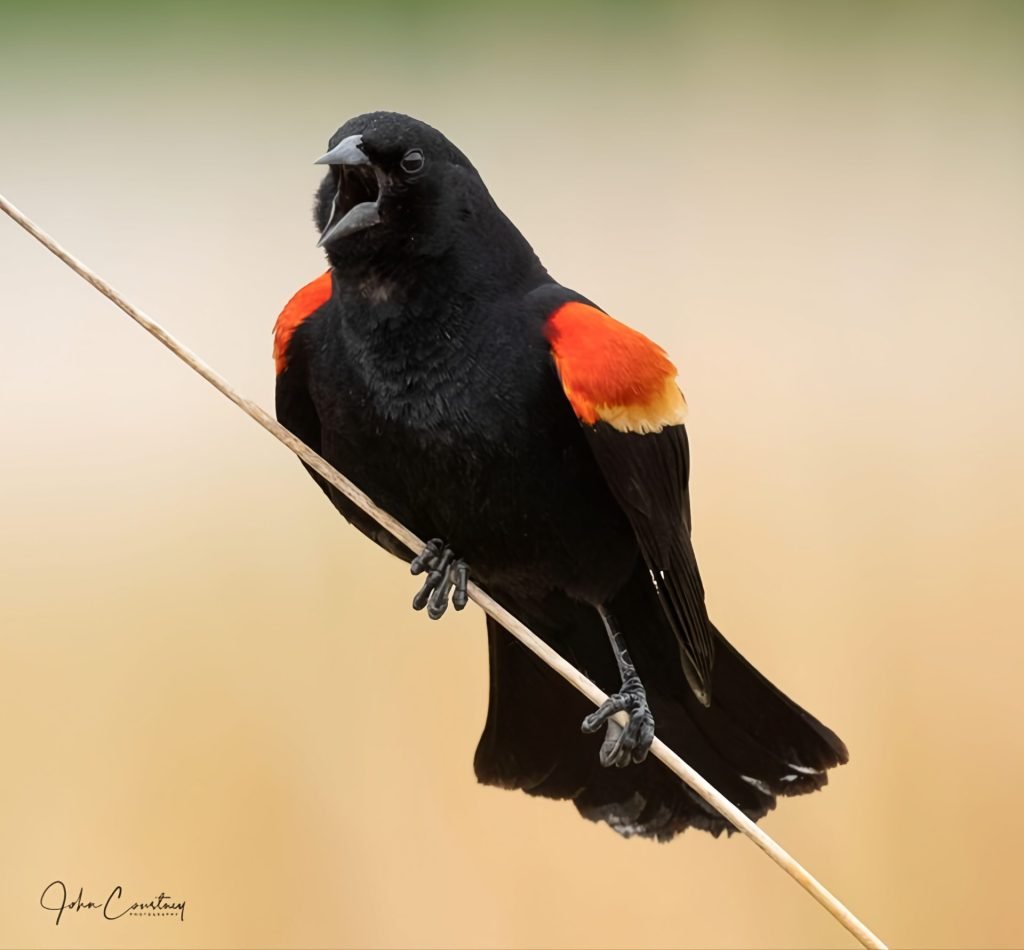
There is science behind this magic called biophilia. Biophilia is the inherent human inclination to affiliate with nature and other forms of life. Our ancestors lived in close harmony with the natural world, relying on it for sustenance and shelter. Though our lifestyles have drastically changed, our deep-rooted connection to nature remains. It reduces anxiety, improves cognitive function, and even enhances creativity. These natural benefits work wonders for young and old alike. For children, the outdoors fosters imagination, boosts confidence, and improves attention span. For adults, it offers a much-needed break from the demands of work and the barrage of digital distractions, allowing the mind to reset and rejuvenate.
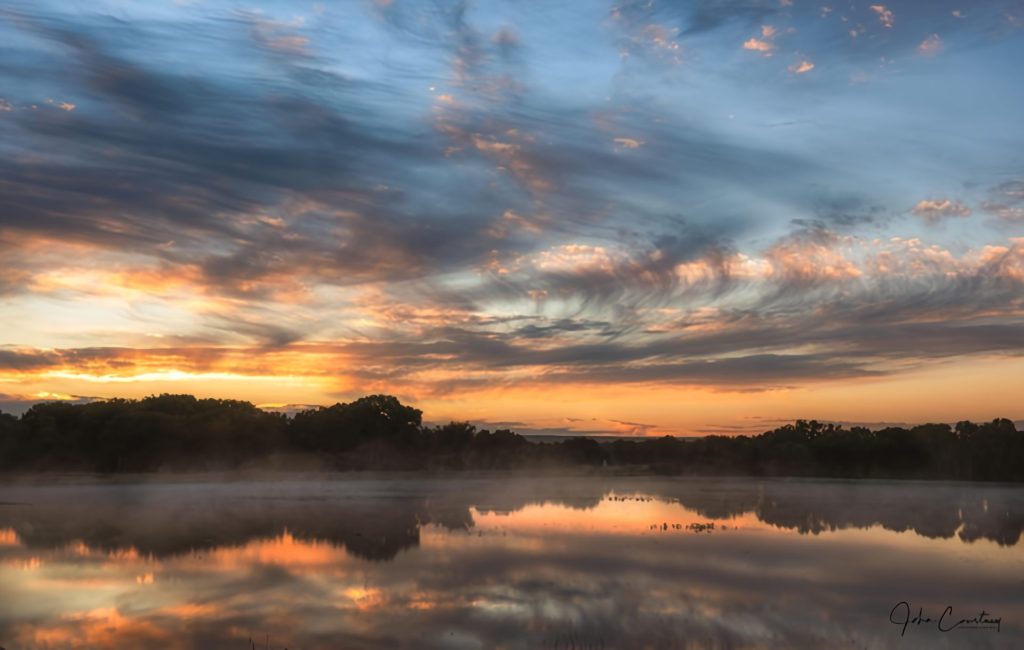
Nature: The Ultimate Stress Buster
Stress is an unwelcome companion for many of us. The demands of work, family, and social obligations pile up, leaving us overwhelmed and frazzled. Nature offers a sanctuary from this stress. When you immerse yourself in a natural setting, the mind and body start to relax, slowing your heart rate and lowering blood pressure.
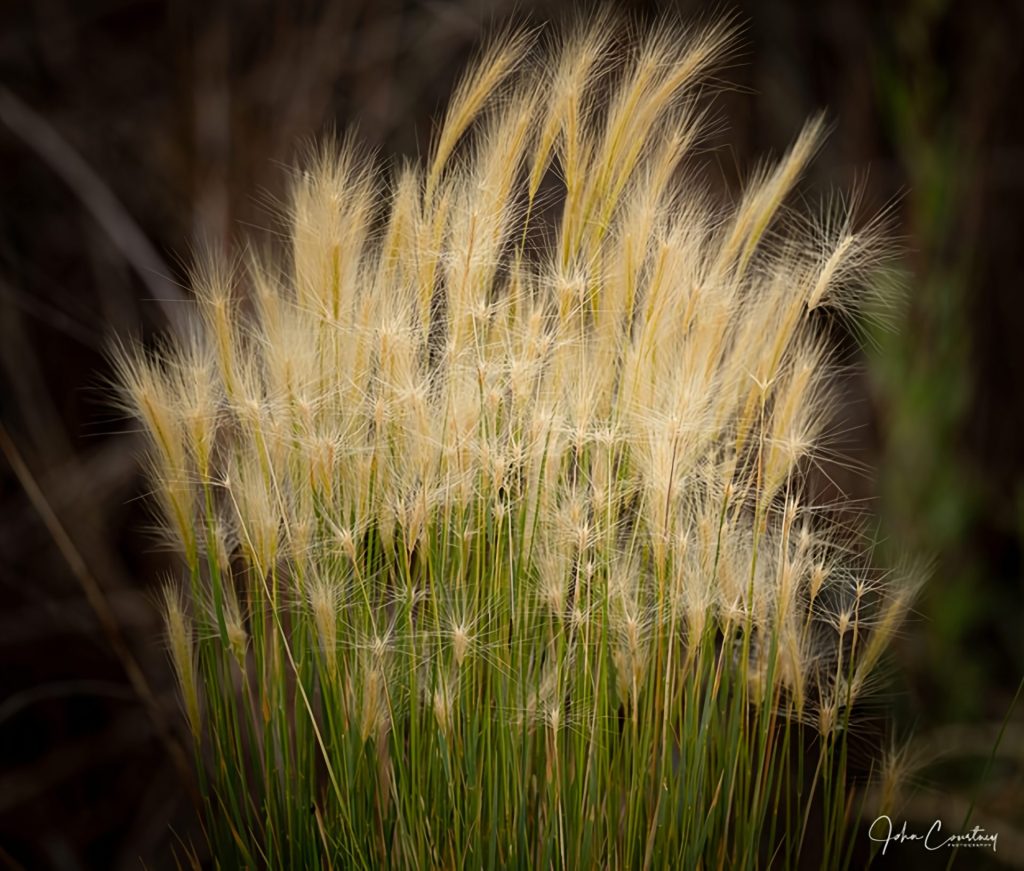
Consider the simple act of walking barefoot on grass or sand. This practice, known as “grounding,” has been found to reduce inflammation and improve sleep. The sensation of the earth beneath your feet creates a direct connection to the natural world, grounding the self physically and mentally. Think of it as a gentle reminder that we are part of something much larger than ourselves, a vast and beautiful ecosystem that can thrive with us in harmony. It reminds us of our responsibility as stewards of the natural world.
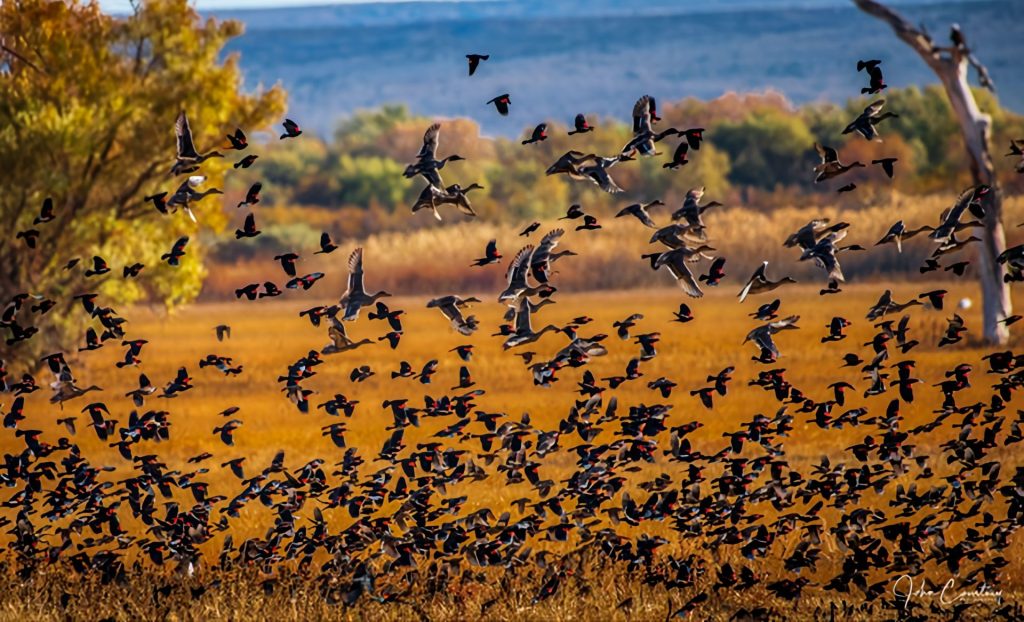
Nature operates in cycles, with each season bringing its own unique beauty and challenges. By observing these cycles, we can gradually find a sense of balance and perspective in our own lives. The changing seasons remind us that life is a series of ebbs and flows. Slowly we become attuned to these rhythms. A walk in the autumn woods, with leaves crunching underfoot and the air filled with the scent of pine, or a winter hike, where we might encounter the stark beauty of bare trees and snow-covered landscapes – each can teach us about resilience and the quiet strength that lies within us, just as nature quietly absorbs the challenges and opportunities. The farther away we are from the natural world, the more disconnected we feel, losing sight of the impermanence of things and learning to wait for the changes without worry.
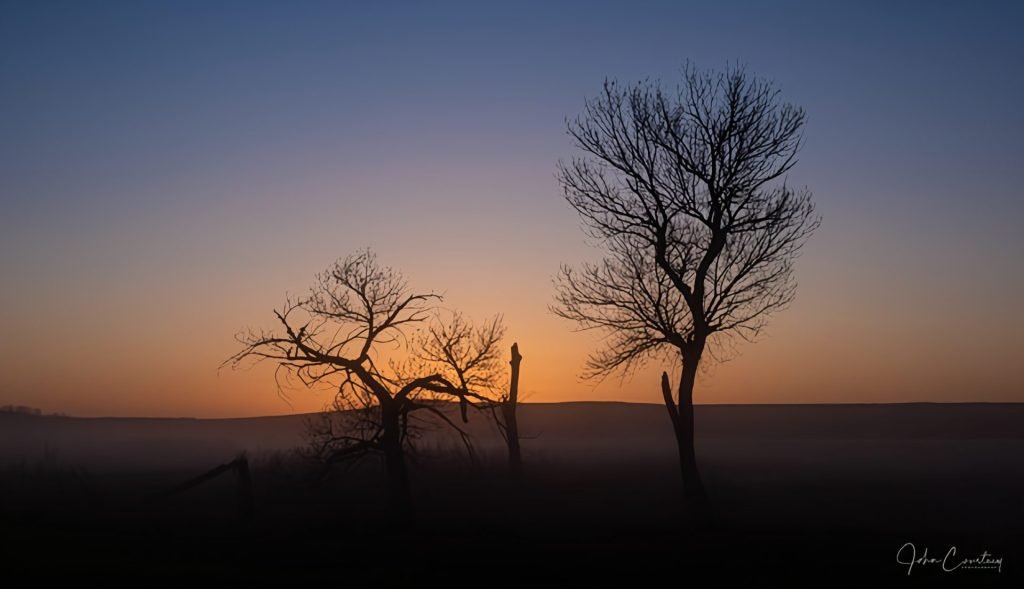
A Community of Life
I’ve learned that in nature you are never alone; you are part of a vibrant community of life, from the tiniest insects to the tallest trees. Every organism plays a role in an intricate web of life. This sense of interconnectedness can be profoundly comforting, reminding us that we are not isolated, but part of a genuinely greater whole.
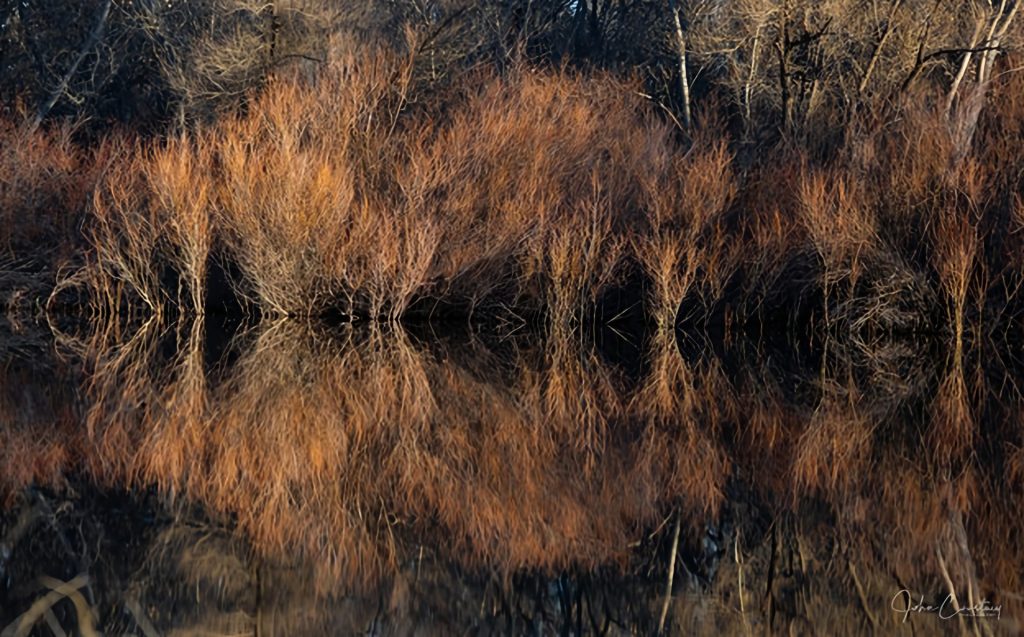
So, the next time you feel the weight of the world pressing down on you, take a step outside. Breathe in the fresh air, listen to the birds, feel the sun on your face, and let nature work its magic. In the wild, you will find not just an escape, but a homecoming, a return to the peace and balance that are essential for our mental health and well-being. Embrace the wild, and let it remind you of the beauty and strength that also resides within you.