
Awaken to the Wild
Bosque del Apache National Wildlife Refuge is an irreplicable treasure, a fragile and important jewel in the New Mexico high desert, a rare section of the Rio Grande that still performs much like it did historically, before man altered the river (although it now requires intense, year-round management to do so!)
Thanks to its expansive vistas and exquisite light (and because visitors can get closer to wildlife here than in almost any other wild place), Bosque del Apache has long served as an inspiring canvas for all manner of artistic souls who come seeking to experience the wonder of this special habitat for themselves. The following article offers reflections post-visit from the perspective of two recent travelers, both of whom came away with memories (and gorgeous photos) to cherish for a lifetime!
Read on, as they paint a picture of the joy of experiencing the refuge for the first time, or for the hundredth; and if their reminiscing leaves you wanting more, make plans to experience it for yourself! Come stimulate your senses in the wild areas all around you (and get in touch with those untamed places within yourself too!) Bosque del Apache is waiting to offer its magic to you in every season. We’ll see you out there!
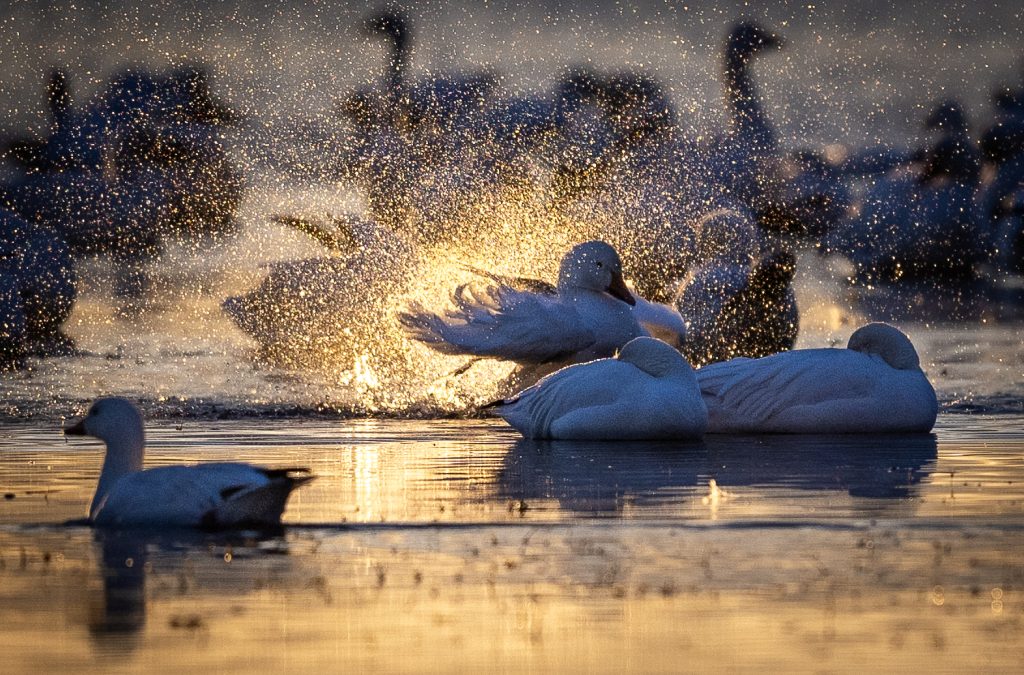
Photo by Liz Roach
Article by Dawn Griffith of the Wasatch Camera Club, based in Salt Lake City, Utah.
My name is Dawn Griffith, and I serve as the Field Trip Chair for the Wasatch Camera Club, organizing both overnight and day trips. I’ve held this volunteer role for five years, and my goal has always been to introduce our members to new, inspiring places they may never have considered photographing.
For quite some time, I’ve been fascinated by Sandhill Crane colts. They nest and hatch here in Utah, but then they disappear—and one day I caught myself wondering, “Where do they go?” That simple question sent me down a rabbit hole of research and conversations with fellow members. Again and again, Bosque del Apache and its famous Festival of the Cranes came up.
The more I learned, the more excited I became. Bosque del Apache felt close enough to be accessible—whether by car or plane—but far enough to feel like a true adventure. The idea of witnessing thousands of cranes in one place, and giving our club the chance to photograph such an extraordinary spectacle, felt like the perfect combination. It quickly became a bucket-list destination for me, and clearly I wasn’t alone—our trip even developed a waitlist, and I’m confident we’ll offer it again.
When I called the refuge, a staff member recommended visiting right after the Festival to avoid the crowds and have more space to photograph. That turned out to be wonderful advice. I also reached out about the free daily tours, which the refuge helped me arrange. From the very first phone call, working with the rangers and volunteers was seamless.
As a group, we had an unforgettable experience—better than I could have imagined. Bosque del Apache delivered everything we hoped for and more.
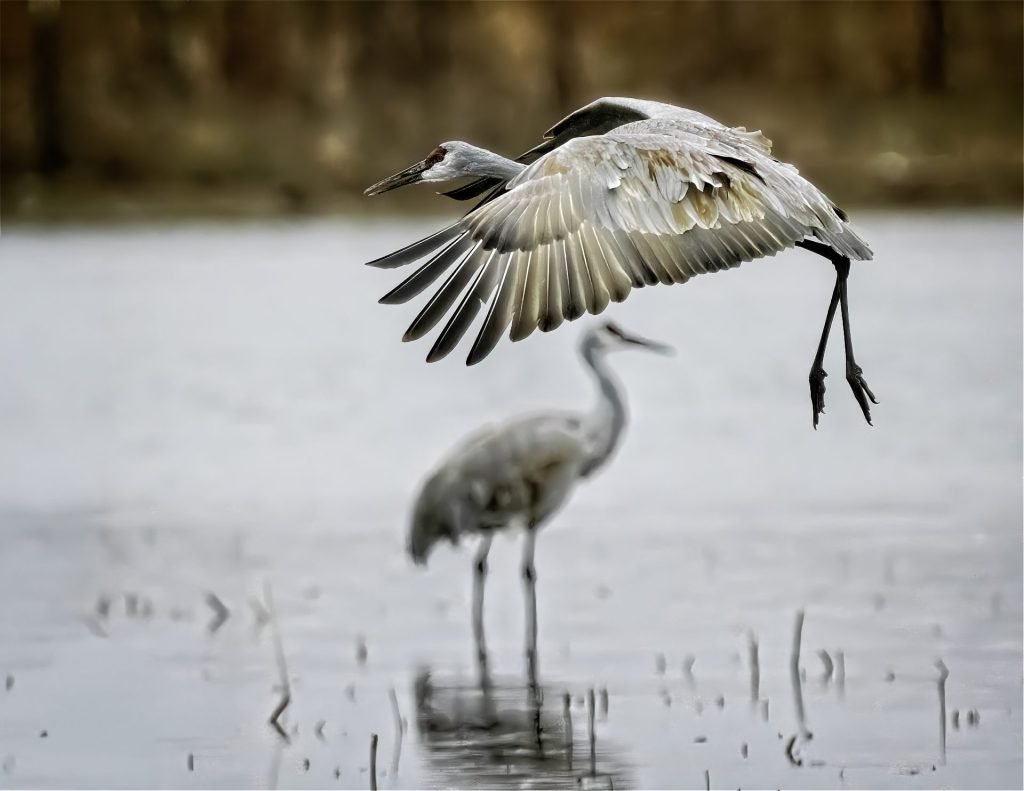
Photo by Brent Ovard
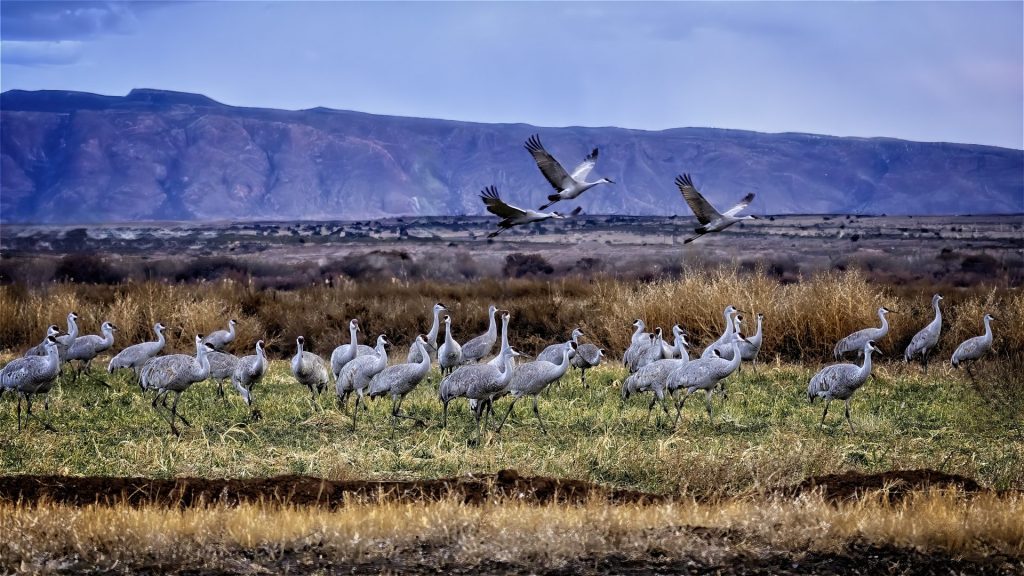
Photo by Brent Ovard
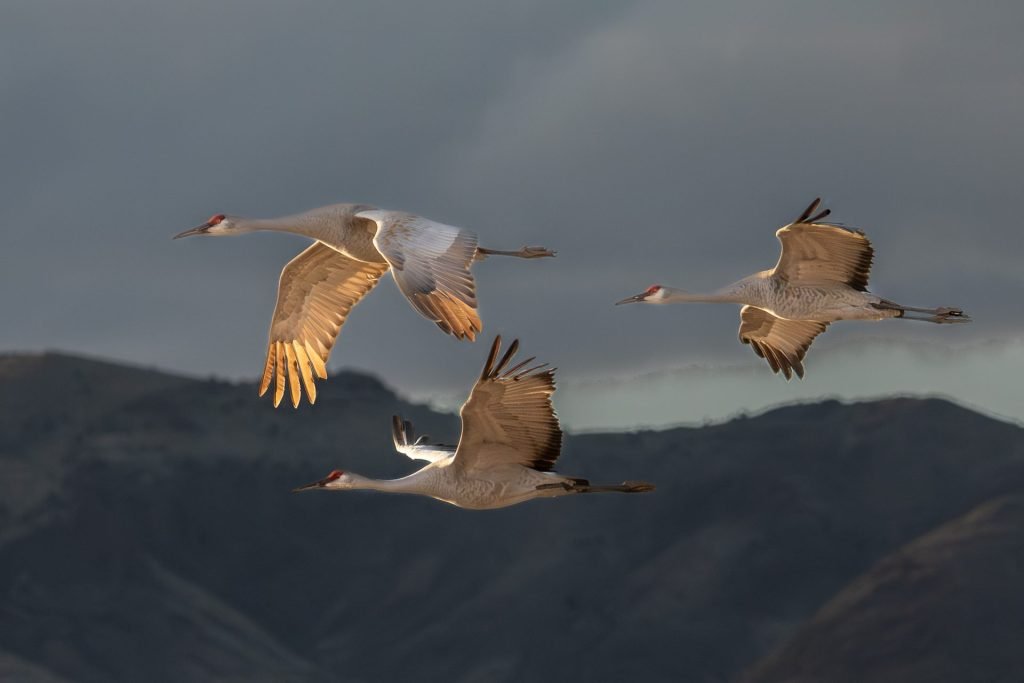
Photo by Liz Roach
Our multi‑day adventure to Bosque del Apache National Wildlife Refuge felt like stepping into a living postcard. From the moment we arrived, the light seemed to conspire in our favor—soft, golden, and endlessly flattering. Every sunrise painted the marshes in warm pastels, and every sunset wrapped the landscape in deep, cinematic tones that made even the simplest compositions feel extraordinary.
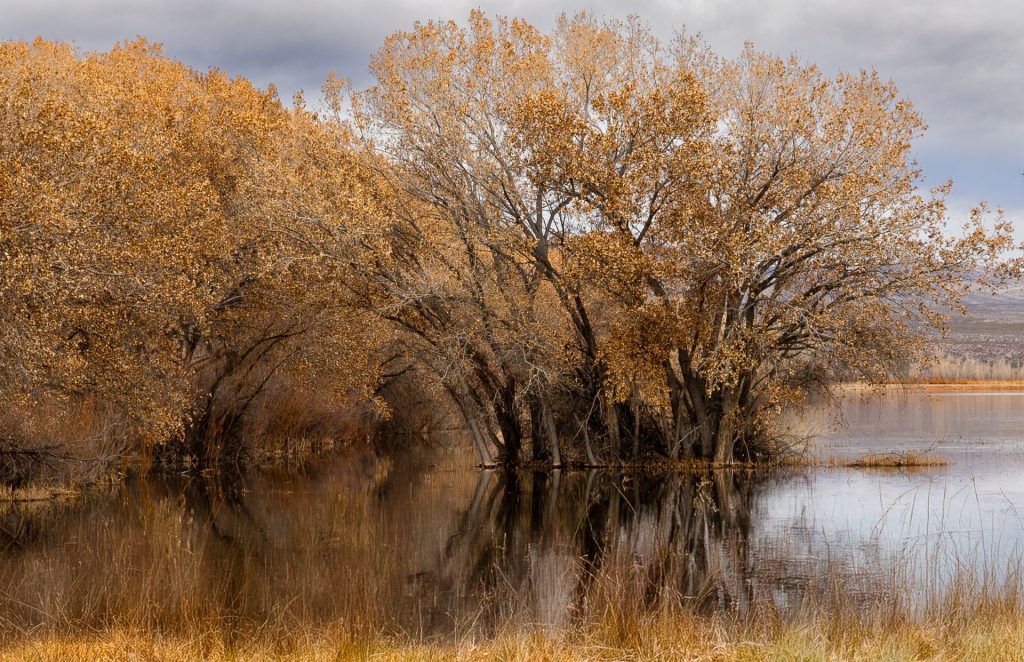
The refuge itself was overflowing with life. Everywhere we turned, something moved—cranes bugling in the distance, raptors cruising low over the fields, ducks skimming the water, and of course, the stars of the show: the snow geese. Their sheer numbers were staggering, a reminder of how wild and alive this place truly is.
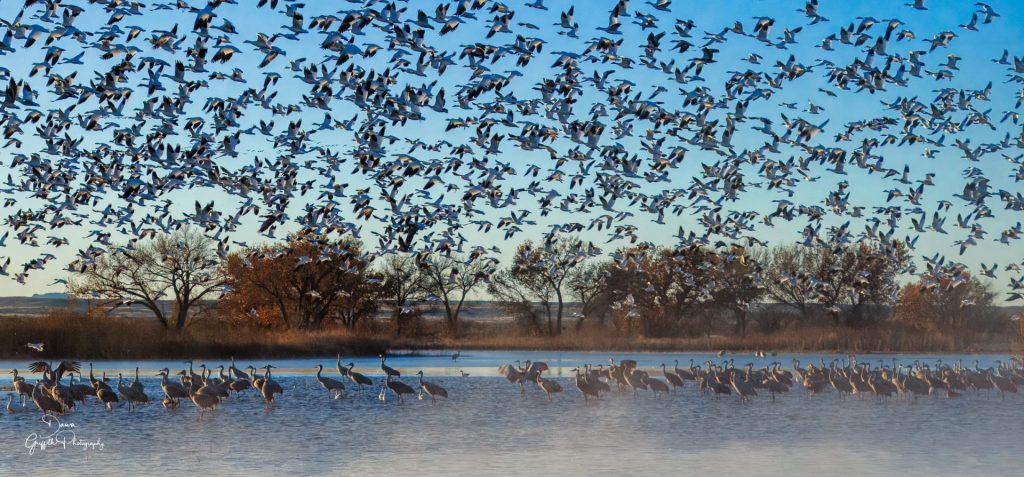
Photo by Dawn Griffith
But nothing compared to the daily rituals that became the heartbeat of our trip: the morning and evening fly‑outs. Standing together in the cold, waiting for that first burst of wings, we watched as thousands of snow geese lifted off in unison—an explosion of sound, motion, and energy that you could feel in your chest. The evening returns were just as magical, the sky streaked with birds gliding home against the fading light.
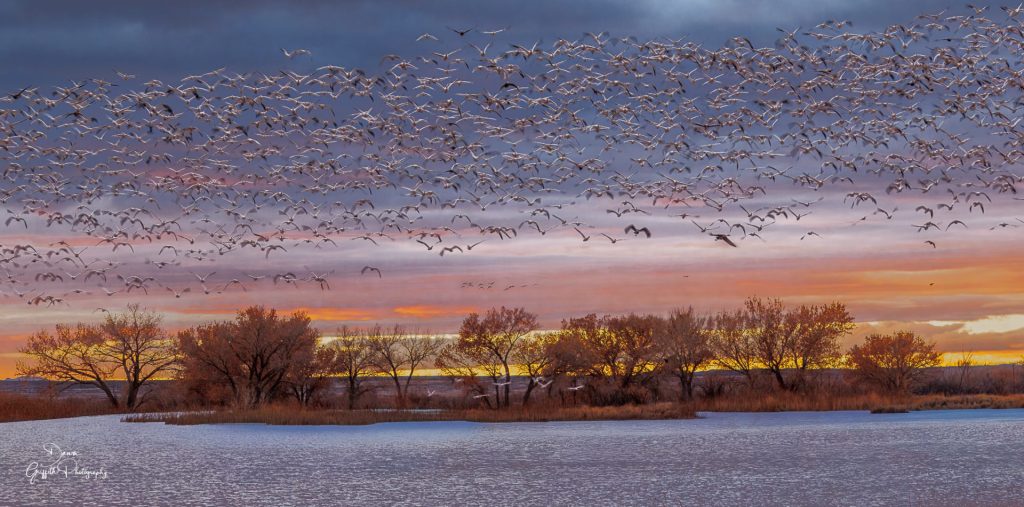
Photo by Dawn Griffith
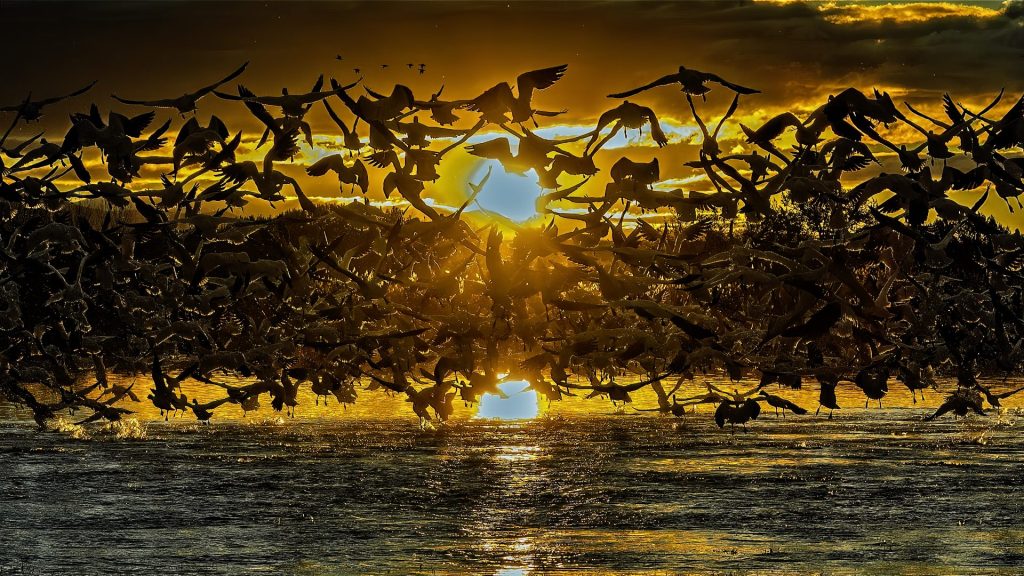
Photo by Brent Ovard
And after long days in the field, our group dinners became their own kind of highlight. Warm meals, tired laughter, shared images, and stories from the day—those conversations stitched the whole experience together. It wasn’t just about the photographs we captured, but the camaraderie, the inspiration, and the joy of being surrounded by people who see the world through the same creative lens.
In the end, Bosque del Apache gave us everything we hoped for and more: unforgettable light, abundant wildlife, breathtaking moments in the air, and the kind of shared memories that make a camera club feel like a family.
Second article offered by refuge visitor, Frank Hatcher.
Before the sun clears the horizon, Bosque del Apache is already loud, alive, and moving. Then the light hits and everything changes in seconds. My very first trip to the refuge was eight years ago. In the years since, I’ve had the good fortune of visiting once or twice a year. It’s an annual trip I genuinely look forward to, because the refuge never presents the same look or feel twice.
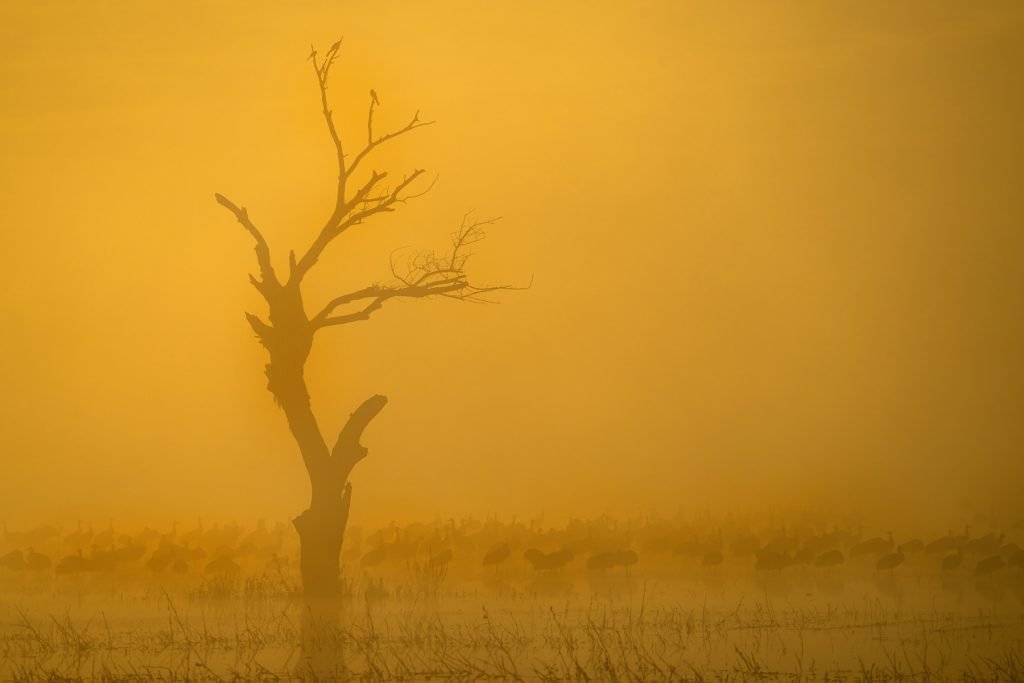
First light – heavy fog over the refuge as the day begins. | Photo by Frank Hatcher
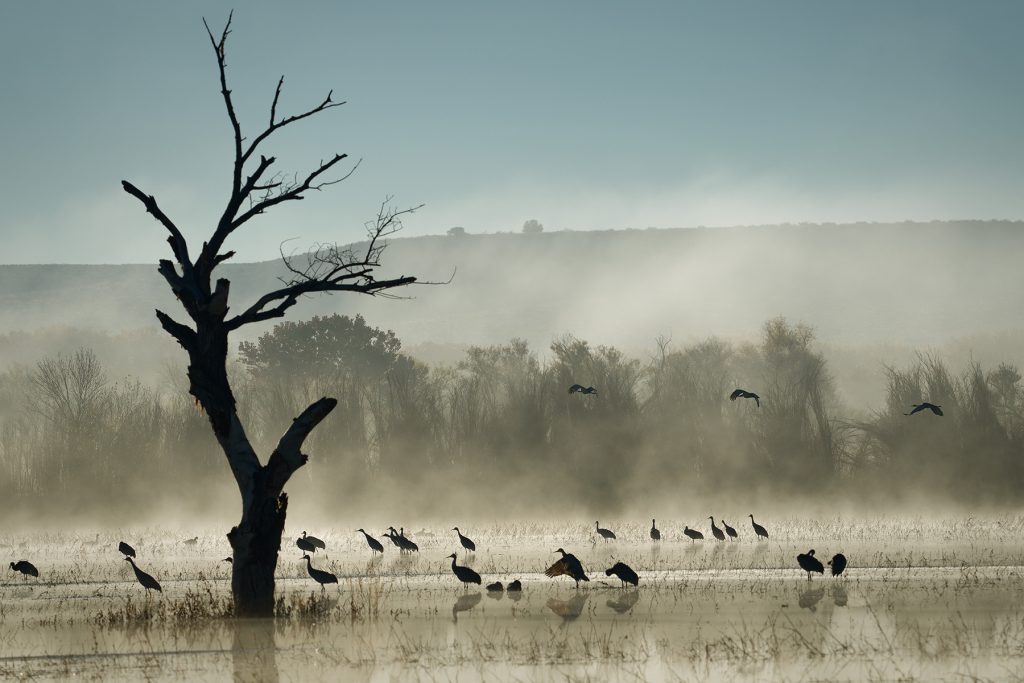
As the sun rises, the calls of the cranes fill the air as they head out for the day. | Photo by Frank Hatcher
That first trip was in January, and it was bitter cold, temperatures in the 20s, with gusting wind that made it feel even colder. When you enter the refuge from the south side near San Antonio, you arrive at one of the main ponds where wildlife tends to gather. We got there just before sunrise, and to our surprise, the Sandhill Cranes were standing in the pond, literally frozen into the ice.
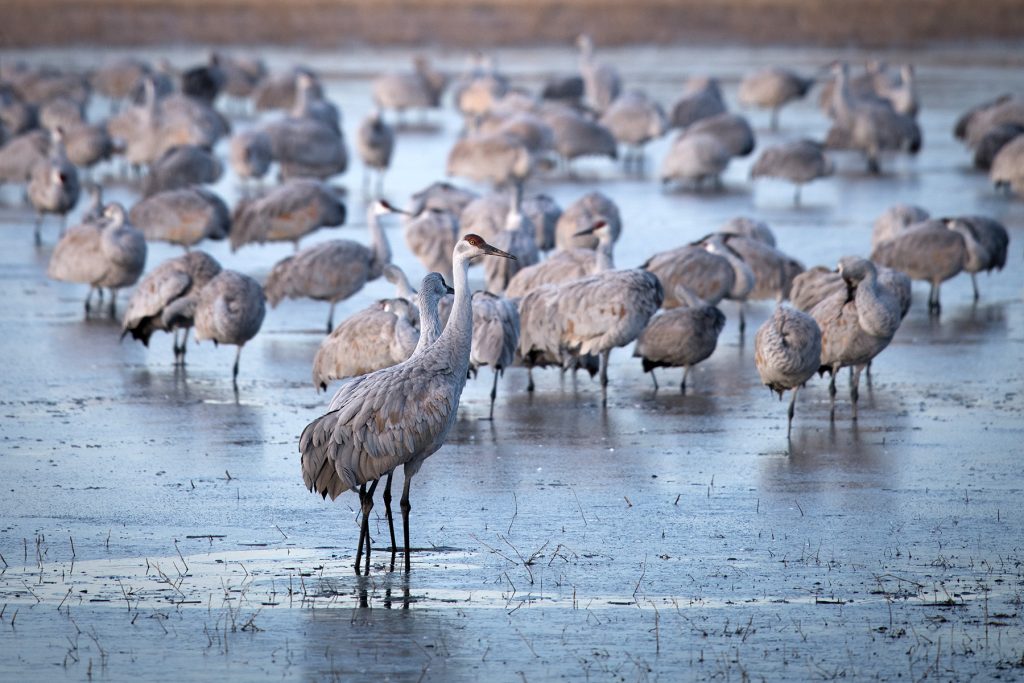
Sunrise, and the ice starts to melt as the cranes become active and ready for the day. | Photo by Frank Hatcher
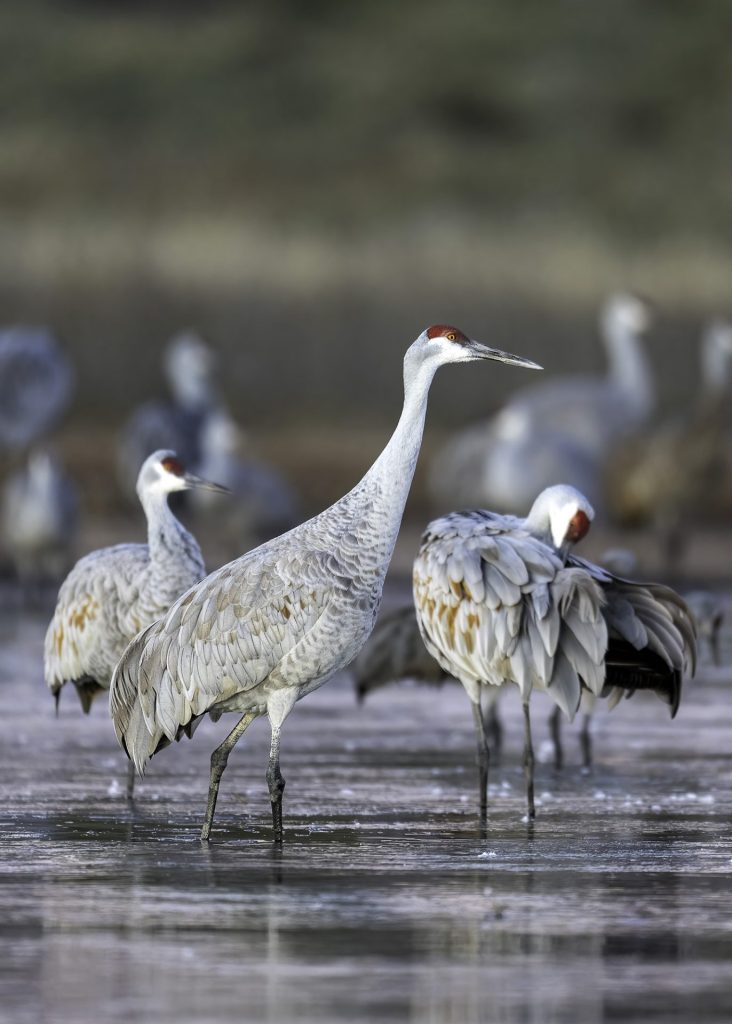
Readying for take off to spend time in the fields. | Photo by Frank Hatcher
It was my first real lesson that Bosque del Apache doesn’t just show you wildlife, it shows you survival, resilience, and how raw winter can be in this part of New Mexico.
The refuge is ever-changing. In the fall months, especially from early November into December, the trees light up with beautiful yellows, reds, and oranges, adding a completely different mood to the landscape.
This colorful image of a Sandhill Crane is a great example of how the fall colors can transform an already striking scene.
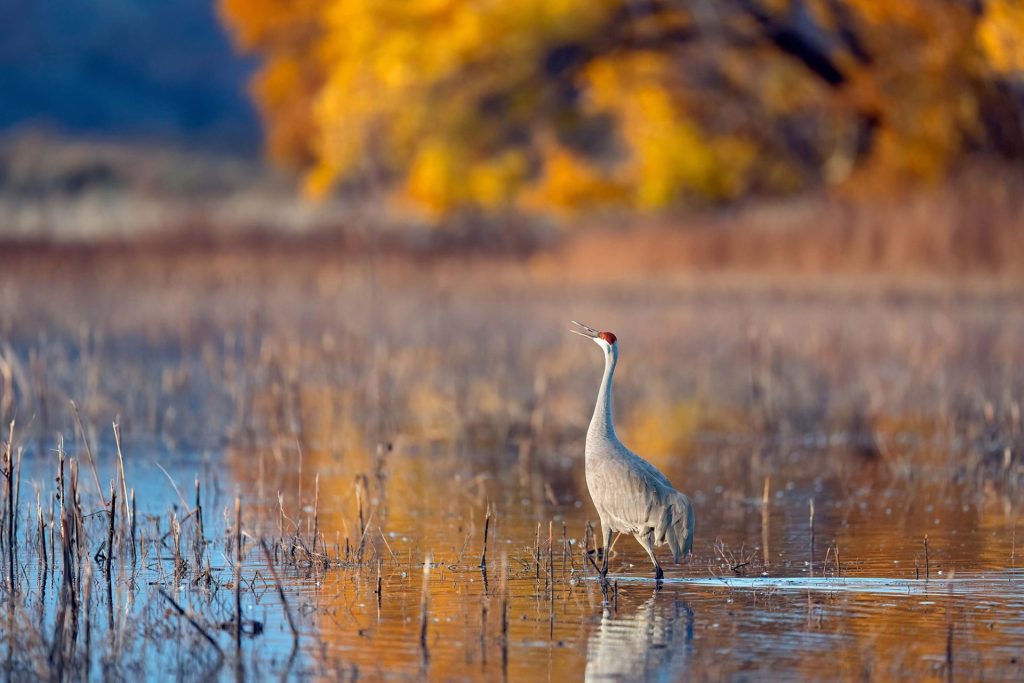
Beautiful fall colors in November can be seen throughout the refuge. | Photo by Frank Hatcher
That contrast, bitter cold one season, rich color the next, is part of what keeps pulling me back. Sandhill Cranes arrive by the thousands as they make their way south for the winter, but the migration isn’t limited to the cranes. Snow geese, Canada geese, ducks, raptors, and countless other species all inhabit the refuge during the season.
Snow geese add another layer of spectacle. When they take flight, the sky seems to ripple as thousands of birds move as one, reshaping the light and soundscape in seconds.
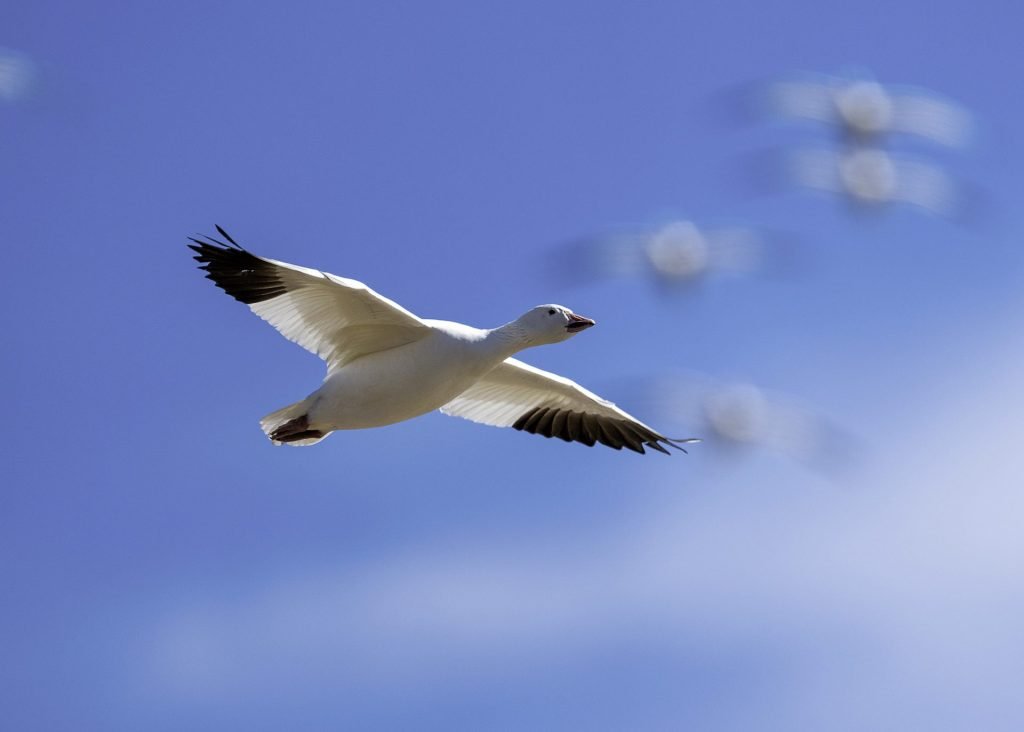
Snow geese are in the thousands during peak migration months. | Photo by Frank Hatcher
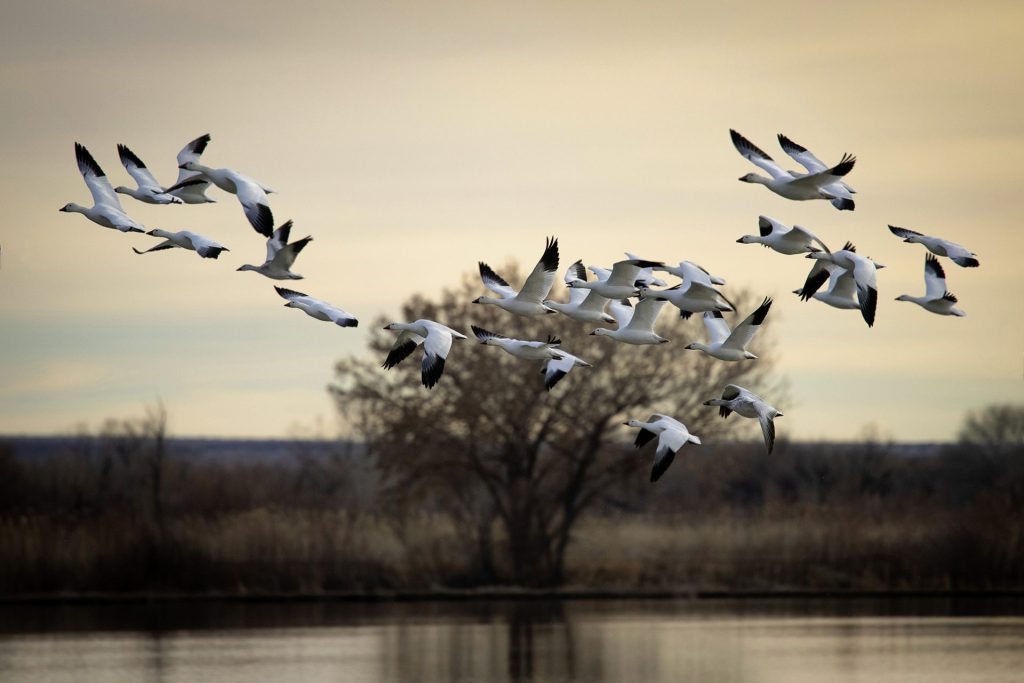
Arriving in the evening. | Photo by Frank Hatcher
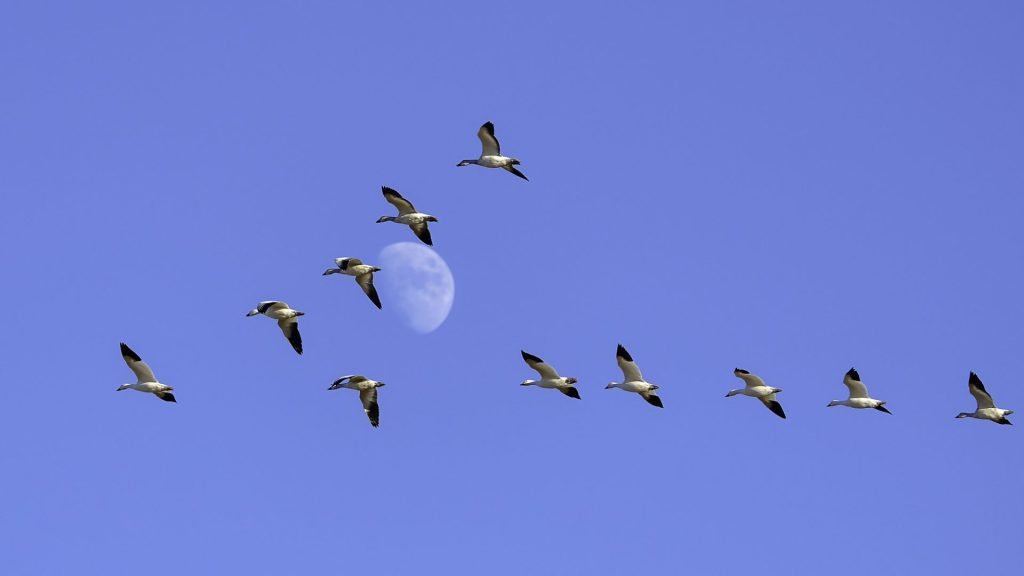
Sometimes luck is on your side, and you capture the geese passing the moon. | Photo by Frank Hatcher
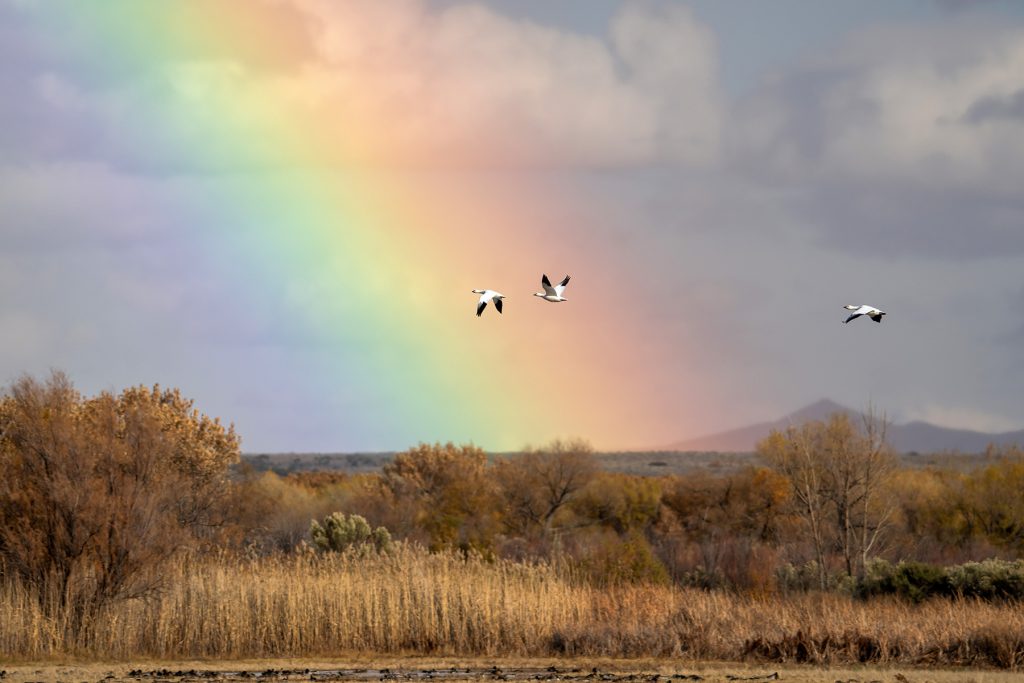
Monsoon storms roll through the area, creating a colorful show. | Photo by Frank Hatcher
Even with all the noise and motion, Bosque del Apache also offers quiet moments. A single bird gliding across the marsh, the sound of wind through the reeds, or the way the light softens just before sunset – these are the moments that linger long after the flyouts fade.
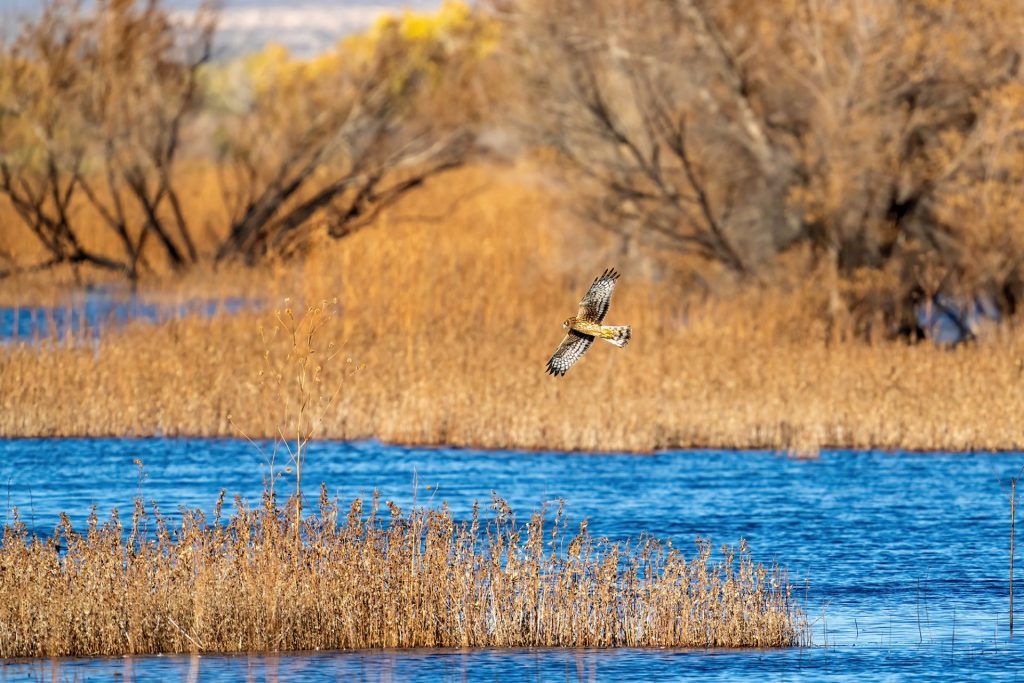
Northern Harrier on the hunt. | Photo by Frank Hatcher
Raptors patrol the refuge throughout the day, moving between perches and open sky, a constant reminder that this landscape isn’t just beautiful, it is alive, dynamic, and shaped by survival.
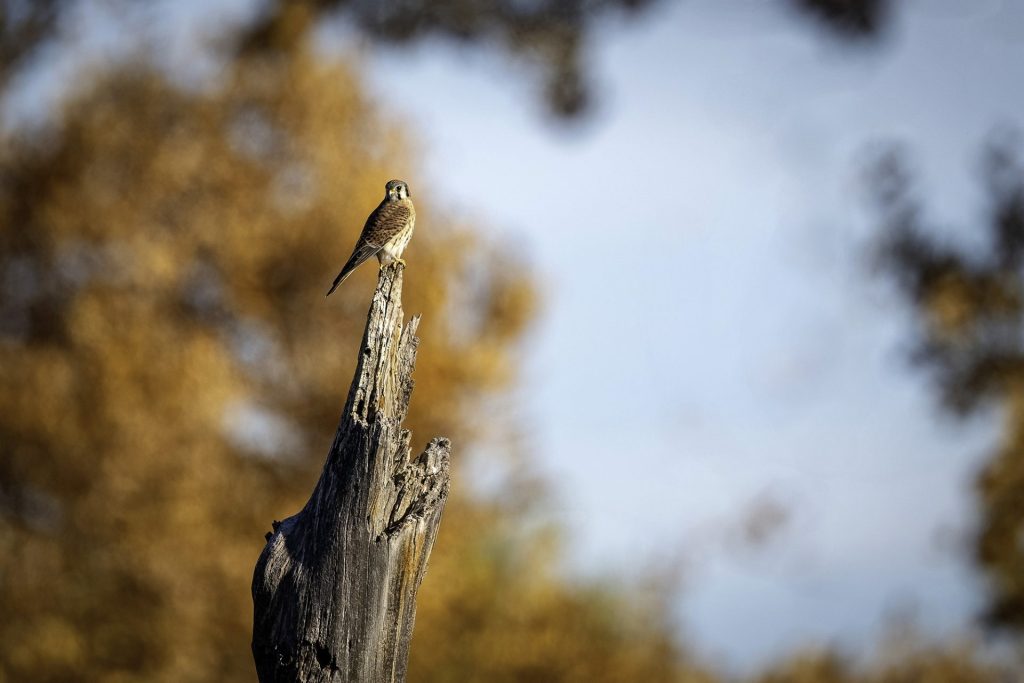
American Kestrel scouting for prey. | Photo by Frank Hatcher
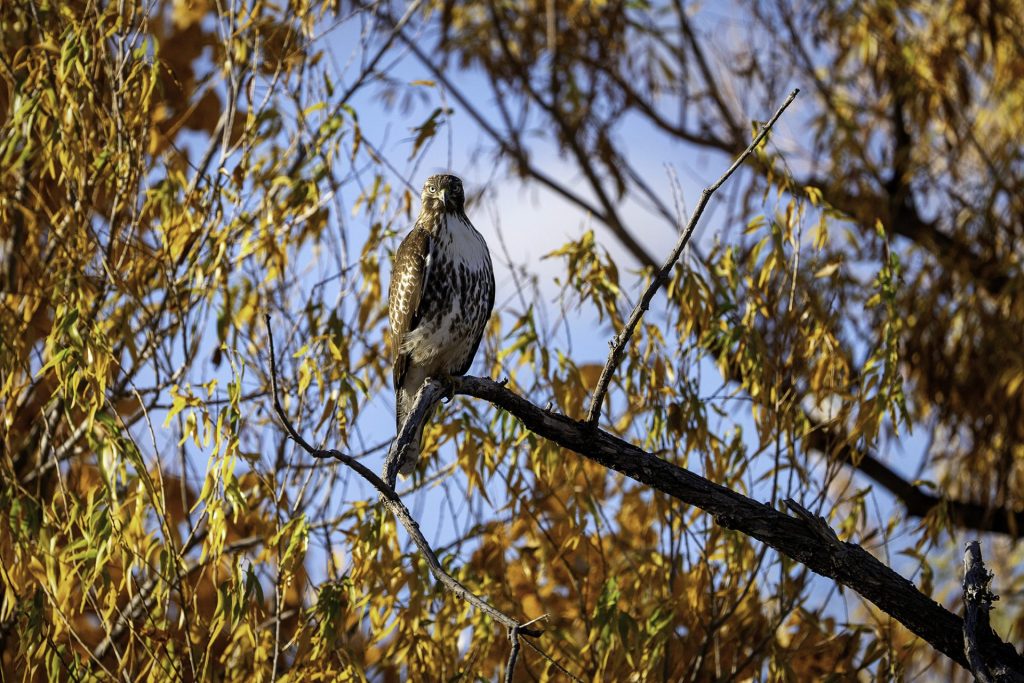
Red-tailed Hawk keeping an eye on me. | Photo by Frank Hatcher
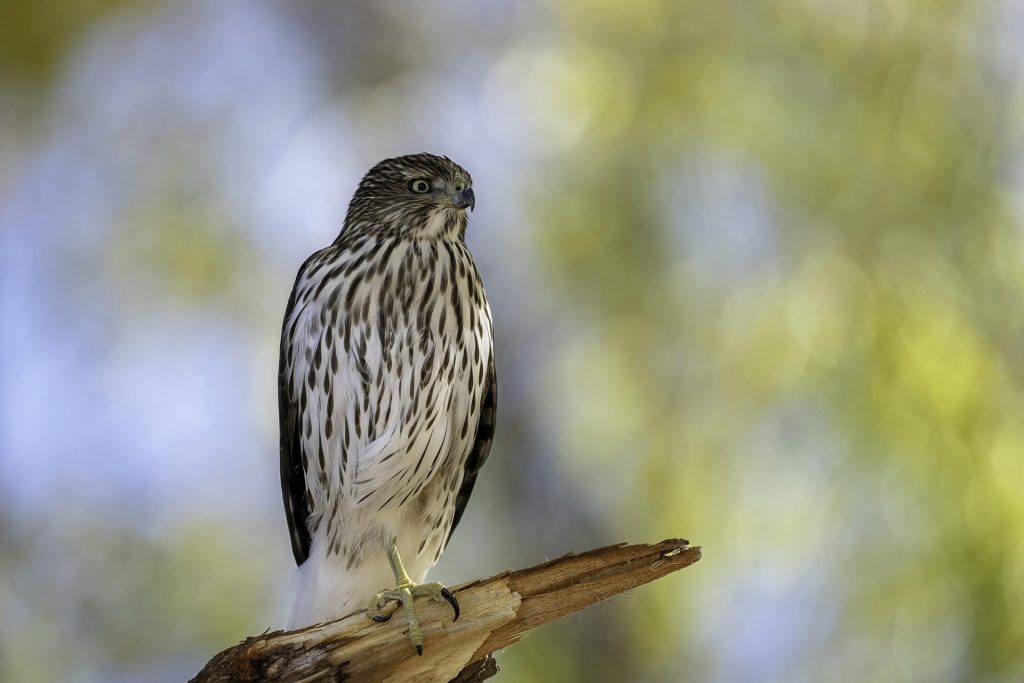
Cooper’s Hawk at rest. | Photo by Frank Hatcher
Bosque del Apache isn’t just defined by what takes to the sky. Along the edges of the marsh and in the surrounding fields, coyotes move through the early morning fog, mule deer step cautiously out of the cottonwoods, and javelina pass quietly through the brush. These moments are easy to miss if you’re only watching the flyouts, but they’re part of the same rhythm that shapes everything here.
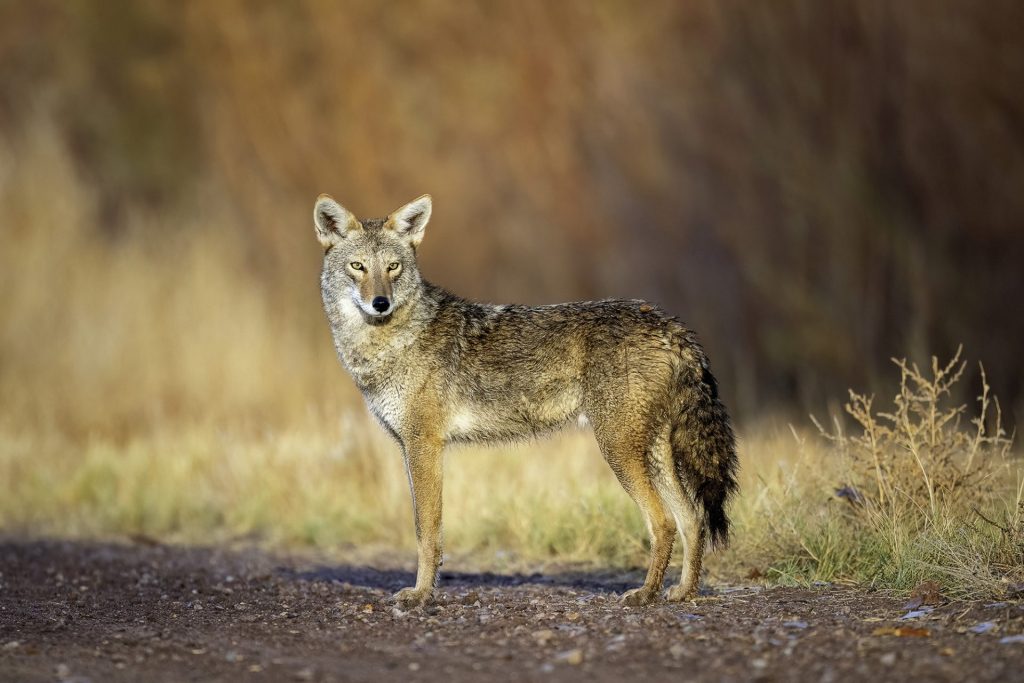
Sunrise Coyote on the prowl. | Photo by Frank Hatcher
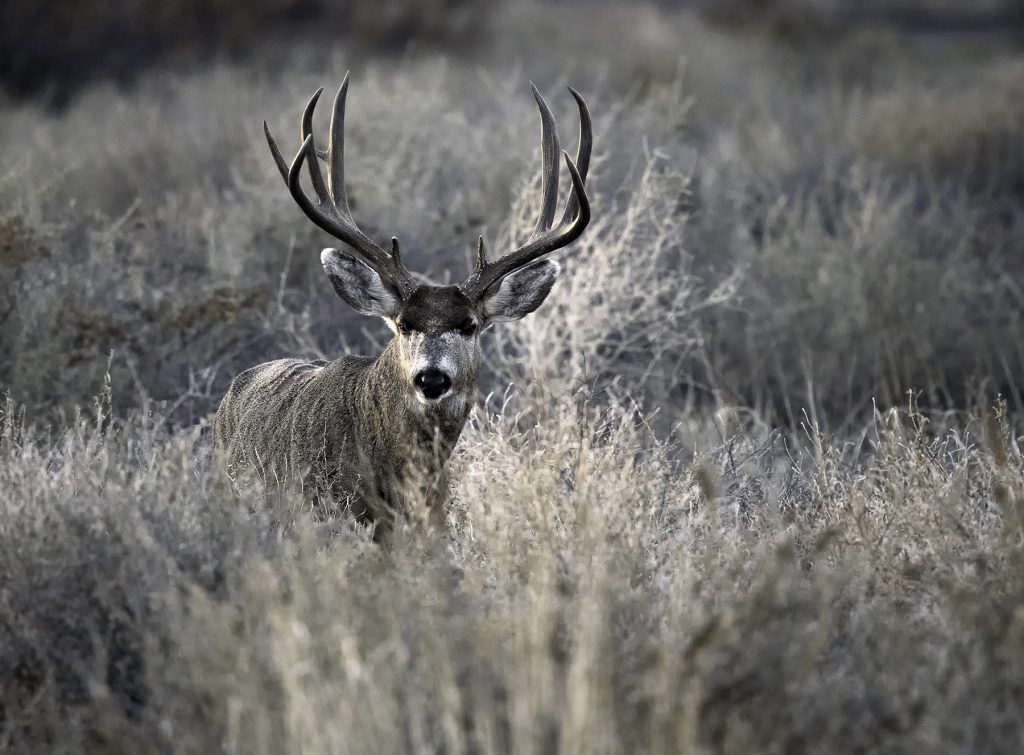
Mule deer buck in the last light of the day. | Photo by Frank Hatcher
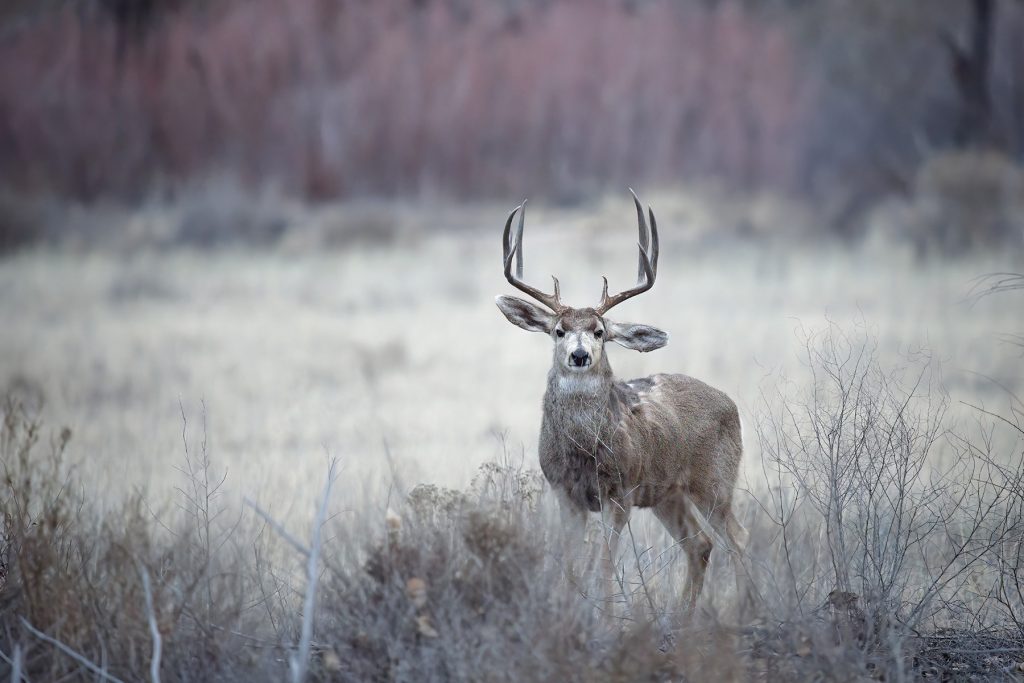
Floppy ear on this buck; it looks like a tough rut season for this guy. | Photo by Frank Hatcher
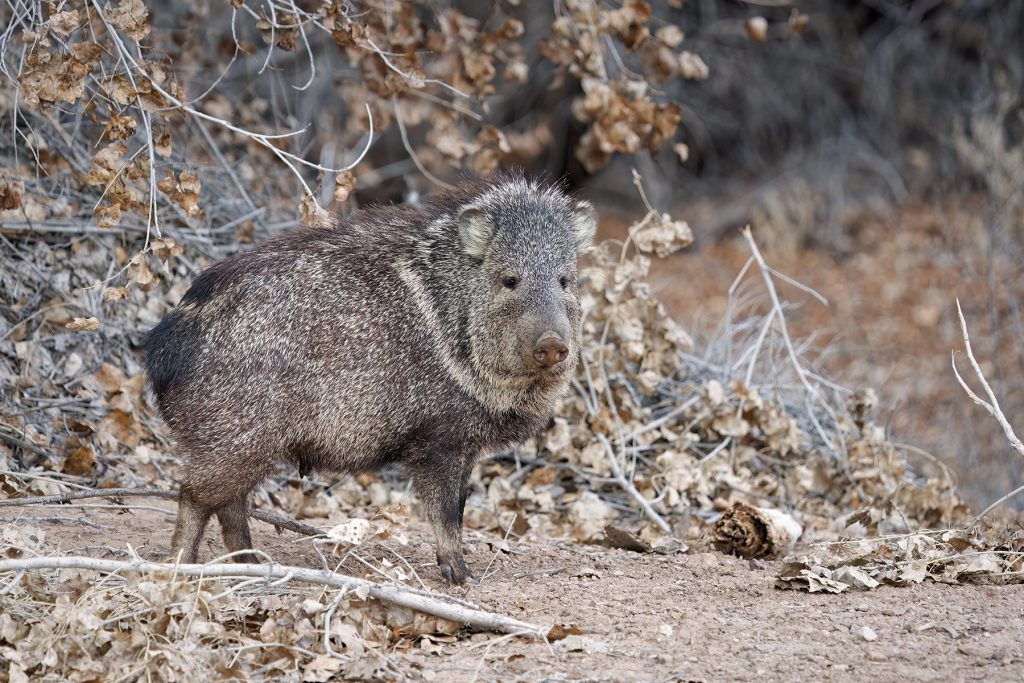
Javelina | Photo by Frank Hatcher
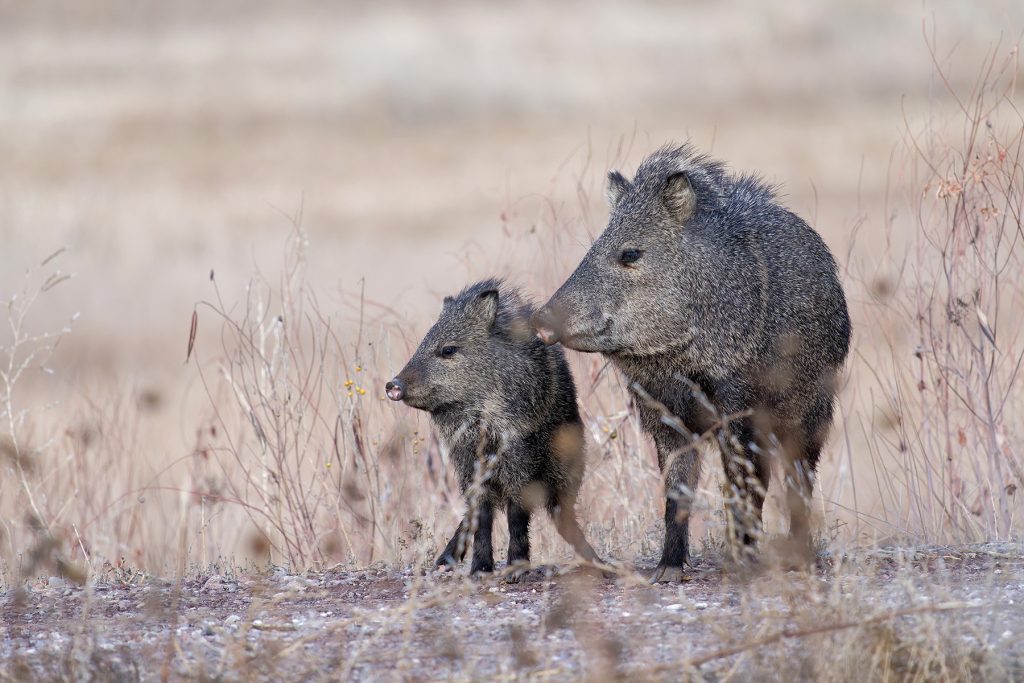
Mother and her little one. | Photo by Frank Hatcher
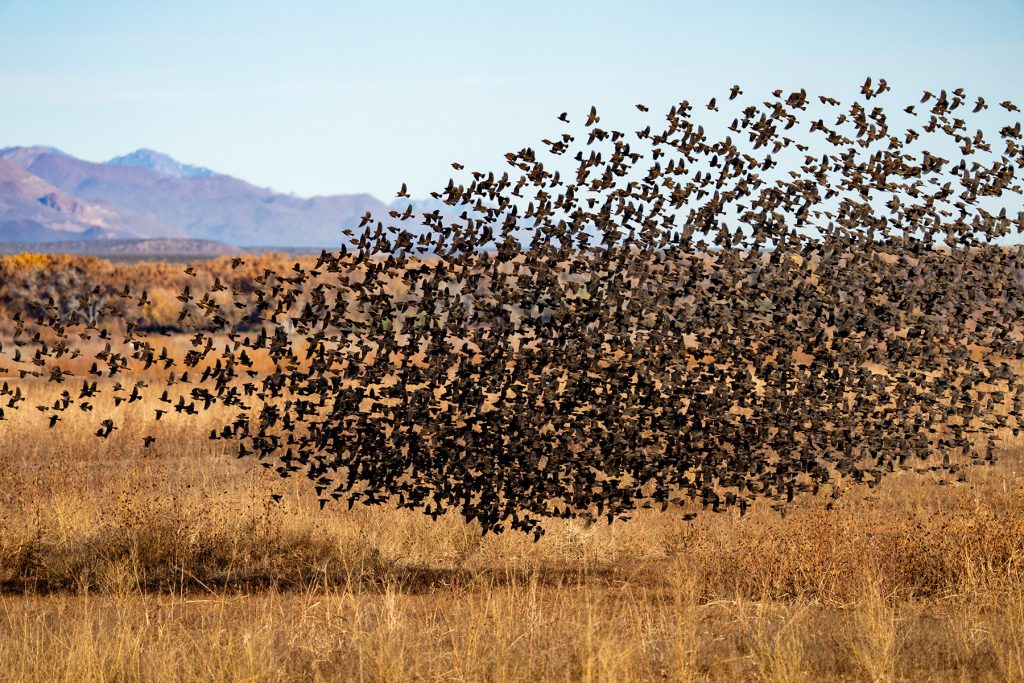
Red-winged blackbird murmuration. | Photo by Frank Hatcher
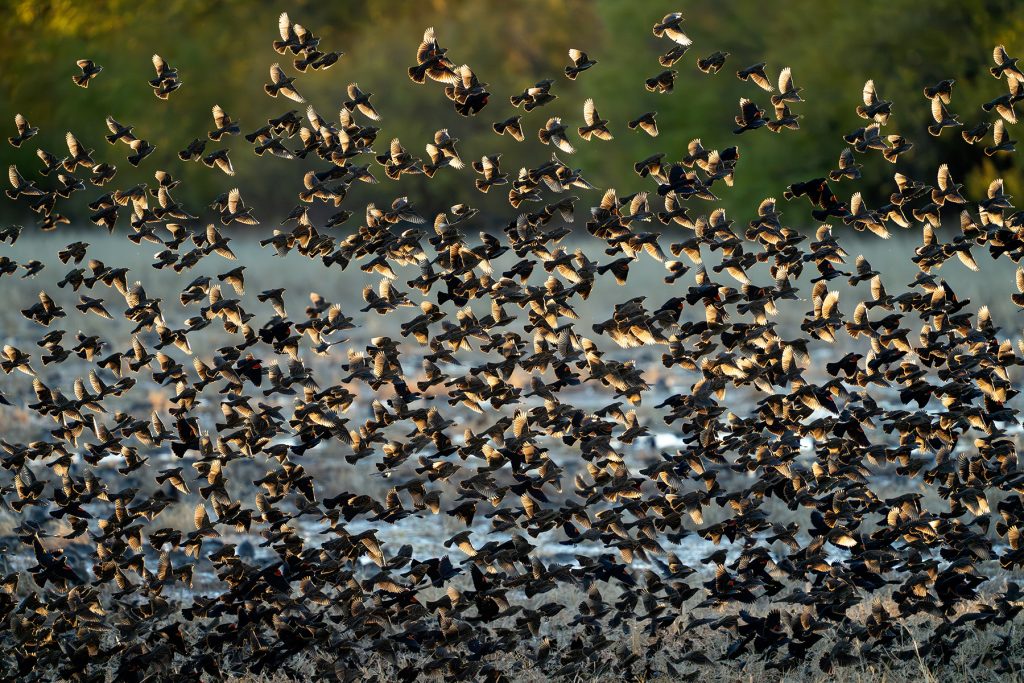
Liftoff in the evening light. | Photo by Frank Hatcher
By the time the light drops low, the refuge settles again. The day closes much the way it began, with stillness, long shadows, and the sense that something larger than any single moment is unfolding here, season after season.
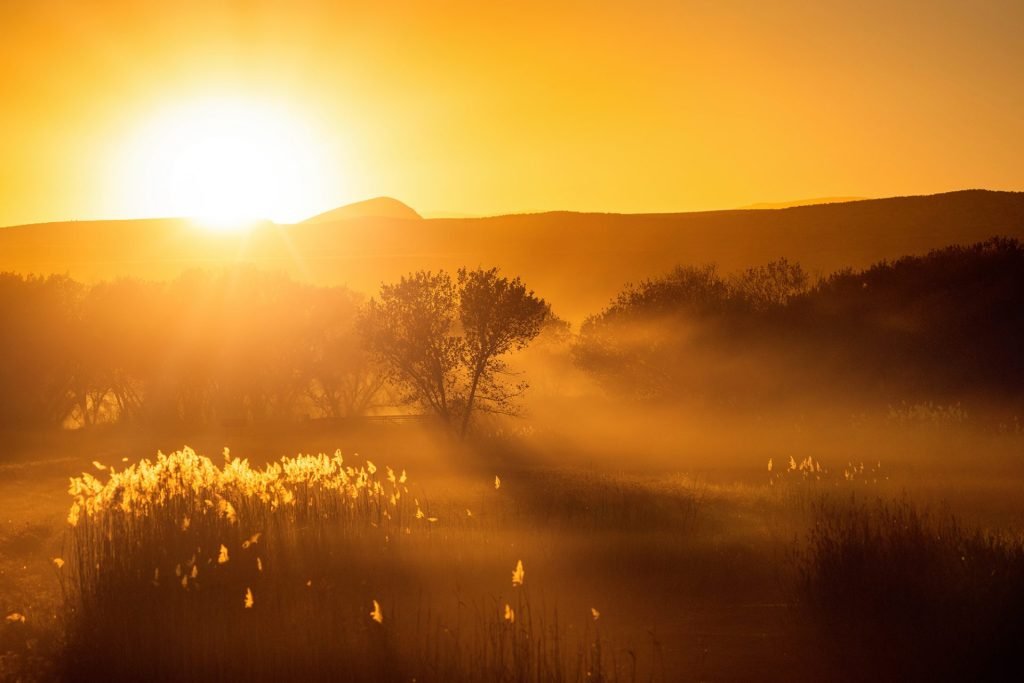
Sunset at the refuge. | Photo by Frank Hatcher
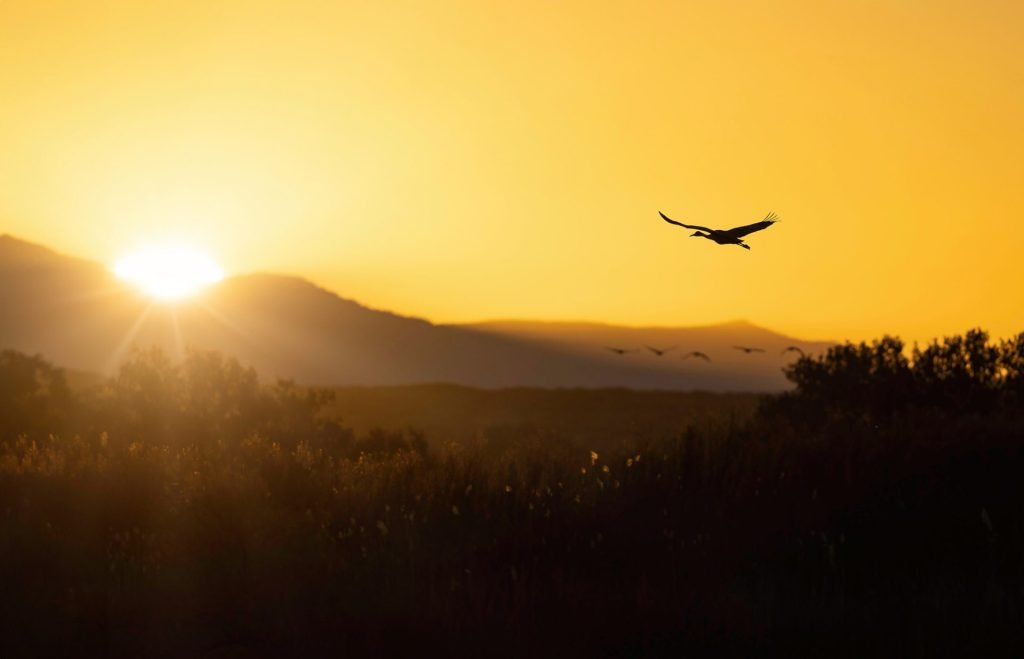
Sandhill Cranes heading in for the evening. | Photo by Frank Hatcher
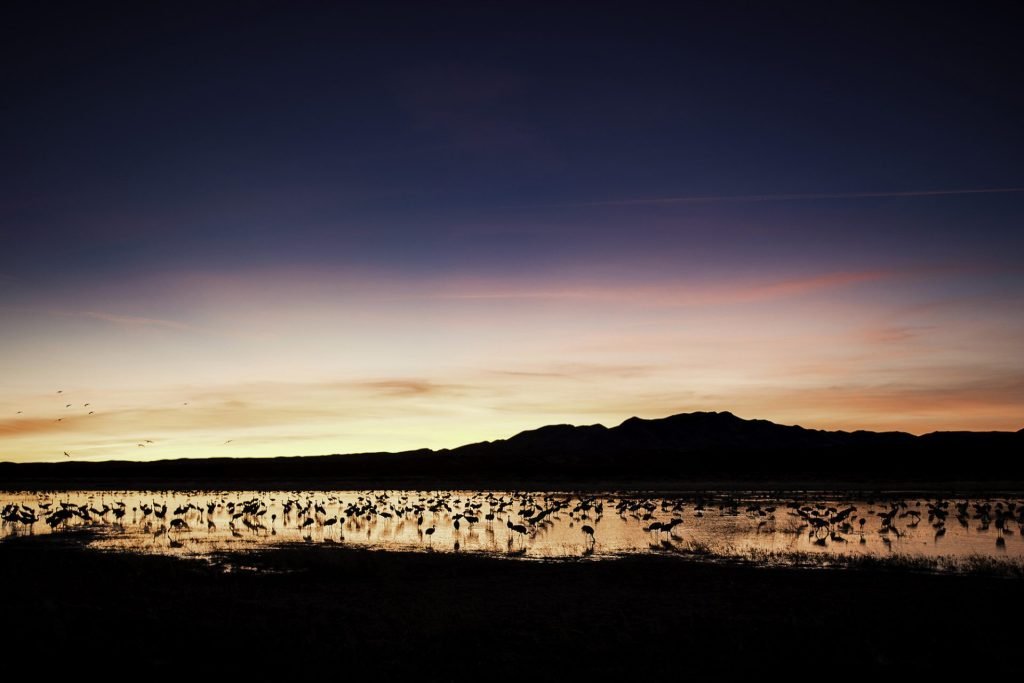
Last light as the cranes roost for night. | Photo by Frank Hatcher
Thank you for spending a few moments at Bosque del Apache with me through these images. This is only a very small example of what the refuge offers, and no two visits are ever the same! If you have the chance, I hope you’ll come to experience it in person and consider supporting the refuge and the people who work to protect it.
Frank Hatcher
www.frankhatcher.com